Trip Difficulty: Challenging
Activities: Trekking / hiking
Group Size: Open, We suggest you private group
Best Season: March to May / September to November
Everest Base Camp Trek Highlight
- Stunning views of Everest and Lhotse from Kalapatthar
- Sunset view from the altitude of 5545 meters ( Kala Patthar)
- Explore ethnic Sherpa culture and tradition
- Explore the centuries-old monasteries in Khumbu region
- Traditional salt trade route (Namche Bazaar)
- Lukla Flight
Everest Base Camp Trek Overview
The great thing about Nepal is that it is home to one of the highest peaks in the world, Mount Everest, with 8848 m (29,029 feet) being the highest. The trek at the base is known as the greatest and most rewarding challenge that you can imagine. We need to reach for more and push ourselves to the limit. Obstacles are known to block our path, but at times we need to find the motivation and effort to overcome them.
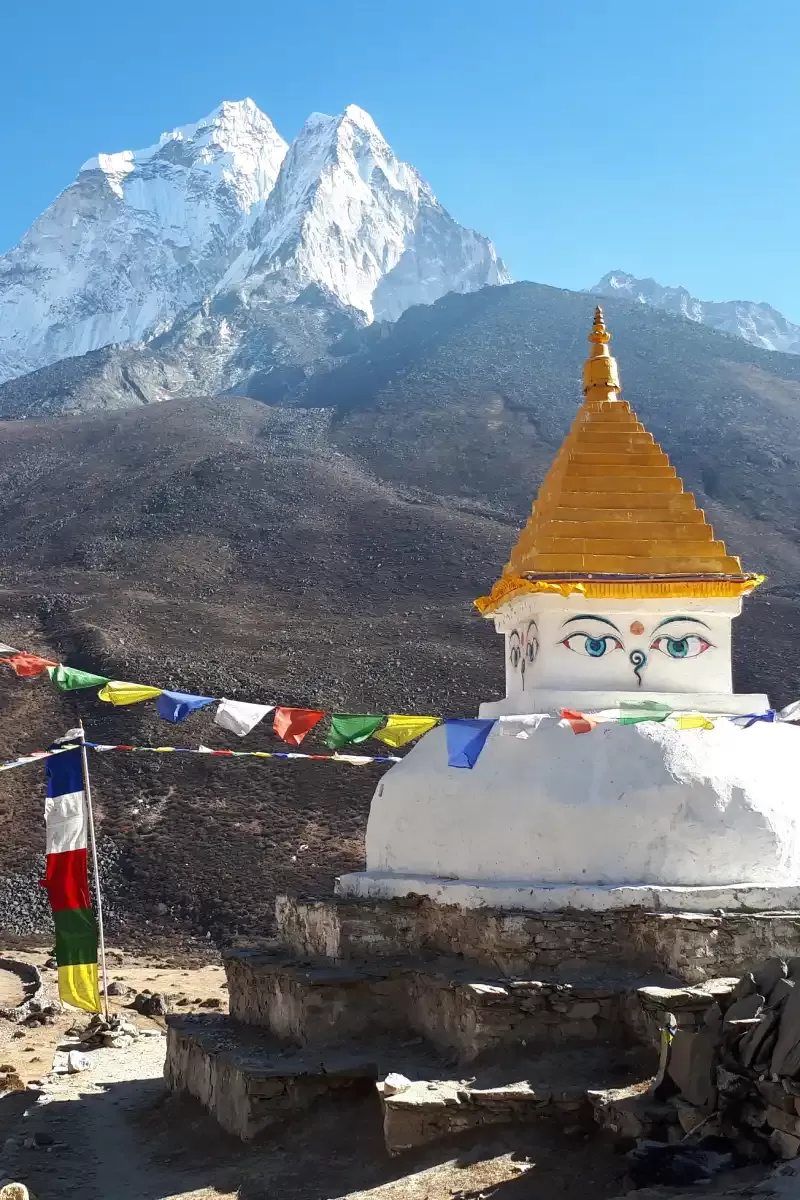
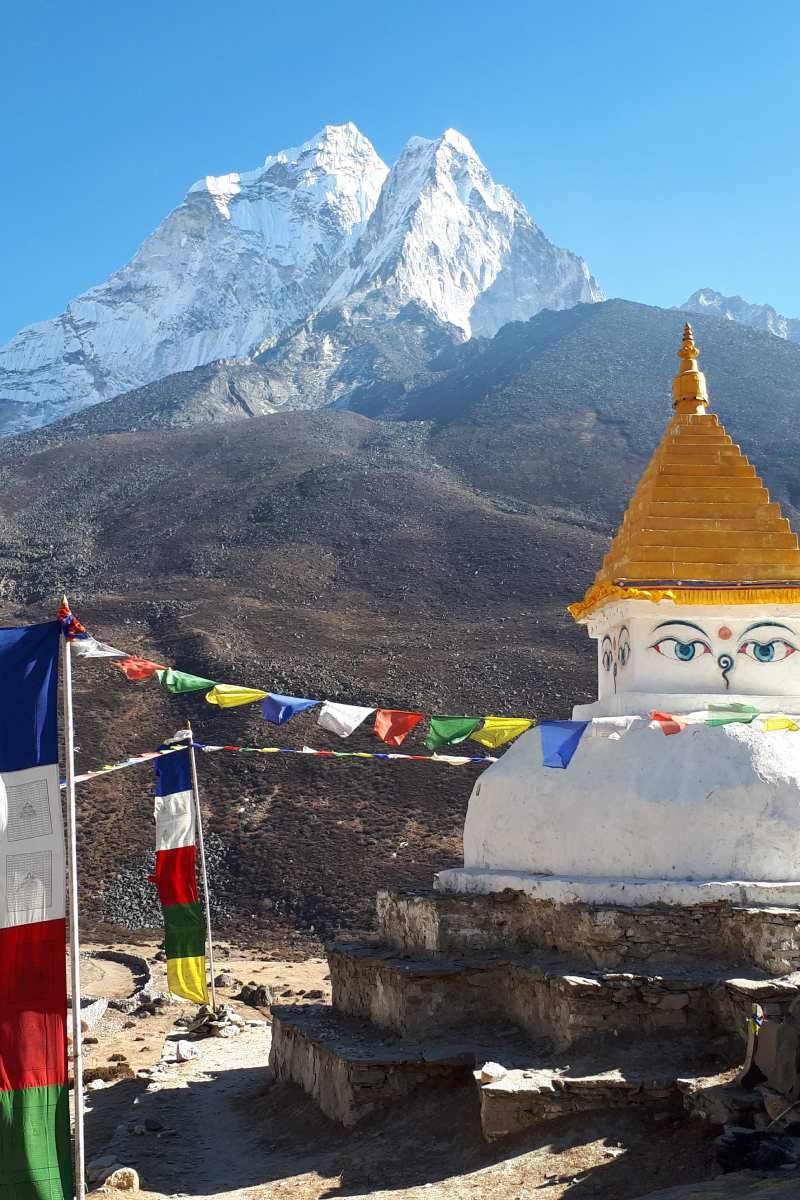
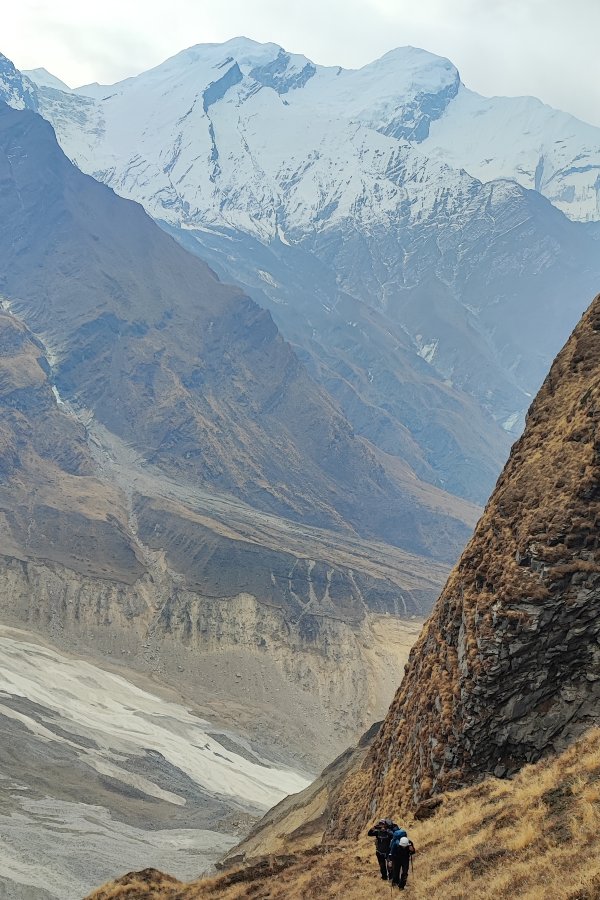
Trekking on this journey will lead to a brand-new experience and perspective on life. After climbing to the top and working through the difficulty will be rewarding after seeing the multicolored flags waving in the wind. The trek allows trekkers to explore and enjoy the culture and natural significance of the Khumbu region. Himalayan panoramic view of different and highest peaks like Mt. Everest, Lhotse, Nuptse, and Choyu. On this tour, you will be able to see breathtaking views and experience something new.
You will be able to see life from a different perspective while enjoying the clear skies and testing your limits. This type of tour is for individuals who are experienced and anyone who wants to see something beautiful.
This tour includes strenuous activity and constant waking. Some of the paths can be uneven and rocky. Our previous trekkers have stated that this experience has been eye-opening and a lovely trek. It is one of our most popular treks. Come join us and see what this trek has to offer.
Kathmandu-Lukla Flight Information
Flights between Kathmandu and Lukla are often delayed or canceled due to weather. Prepare for potential delays by adding 1-2 extra buffer days to your itinerary.
If delays occur, we’ll try to arrange the next flight or a helicopter at an extra cost. Airlines have strict weight limits: 10kg for duffel bags and 5kg for backpacks. Exceeding these limits may result in additional fees and possible baggage delays.
Refunds are not issued for weather-related disruptions. Rest assured; our experienced guides will ensure your safety throughout the trek.
Outline Itinerary
Day 1: Arrival In Kathmandu (1,350m)
Day 2: Kathmandu valley historical-cultural sightseeing
Day 3: Ktm-Lukla 25 min flight and trek to Phakding (2610m- 4hours)
Day 4: Trek to Namche (3440m- 6hours)
Day 5: Acclimatization Day in Namche Bazaar (4 hours hike)
Day 6: Trek to Tengboche Monastery from Namche (3860m- 5hours)
Day 7: Trek to Dingboche walk from Tengboche (4350m- 4.5hours)
Day 8: Acclimatization in Dingboche & trek around Chhukun area (4710m)
Day 9: Trek to Lubuche from Dingboche (4910m- 5hours)
Day 10: Trek to Gorakhshep from Lubuche (5200m- 3.5hours)
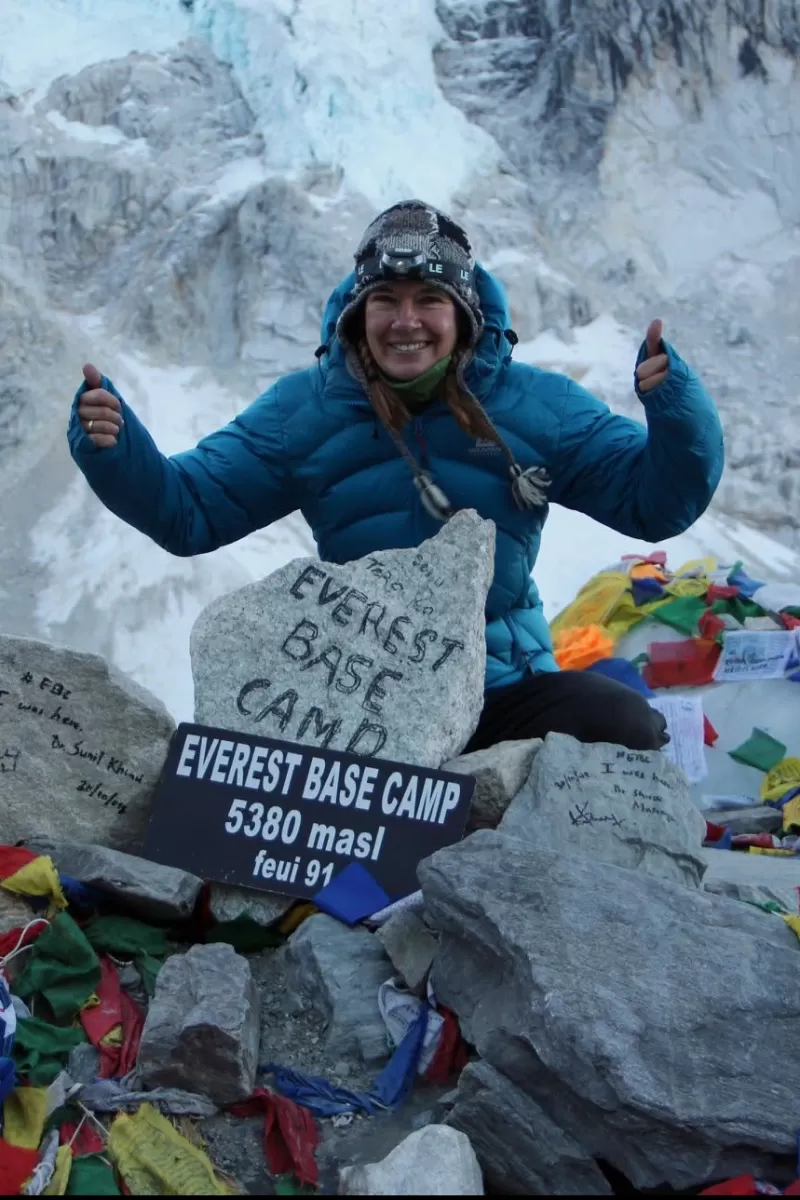
Day 11: Finally Base Camp Enjoy & Relaxed (5364m)
Day 12: Kalapatthar to Pheriche (4250m- 7hours)
Day 13: Walk down to Tengboche (3860m)
Day 14: Trek to Manjo a Himalayan culture (2840m- 6hours)
Day 15: Trek to Lukla (2804m- 4hours)
Day 16: Flight back to Kathmandu
Day 17: Farewell & Airport drop !
Everest Base Camp Trek FAQ's
Is it possible to customize Everest Base Camp Trek?
What are the main three passes of the Everest base camp trek?
- During your everest three pass trek, you will venture through the major passes: Renjo La Pass, Chola La Pass, Kongma La Pass.
What sort of guide will I get on Everest Base Camp Trek?
- You will get a lead of highly experienced, humble, friendly, and licenced guides during the trek with us, There is no doubt about that.
How can I avoid mountain sickness on Everest Base Camp Trek?
- Drinking water regularily, walking slowly, not using alcholic beverages,and utilizing acclimatization days can help you avoid it.
What permits are required for Everest Base Camp Trek?
What accommodation and food are available on Everest Base Camp Trek ?
- You stay in tea houses (lodges) with basic rooms. Meals include dal bhat, noodles, soups, eggs, pasta, and Tibetan bread.
How cold does it get on Everest Base Camp Trek?
- Night temperatures can drop to –10°C to –20°C at higher elevations. Proper winter gear is essential.








.png)